


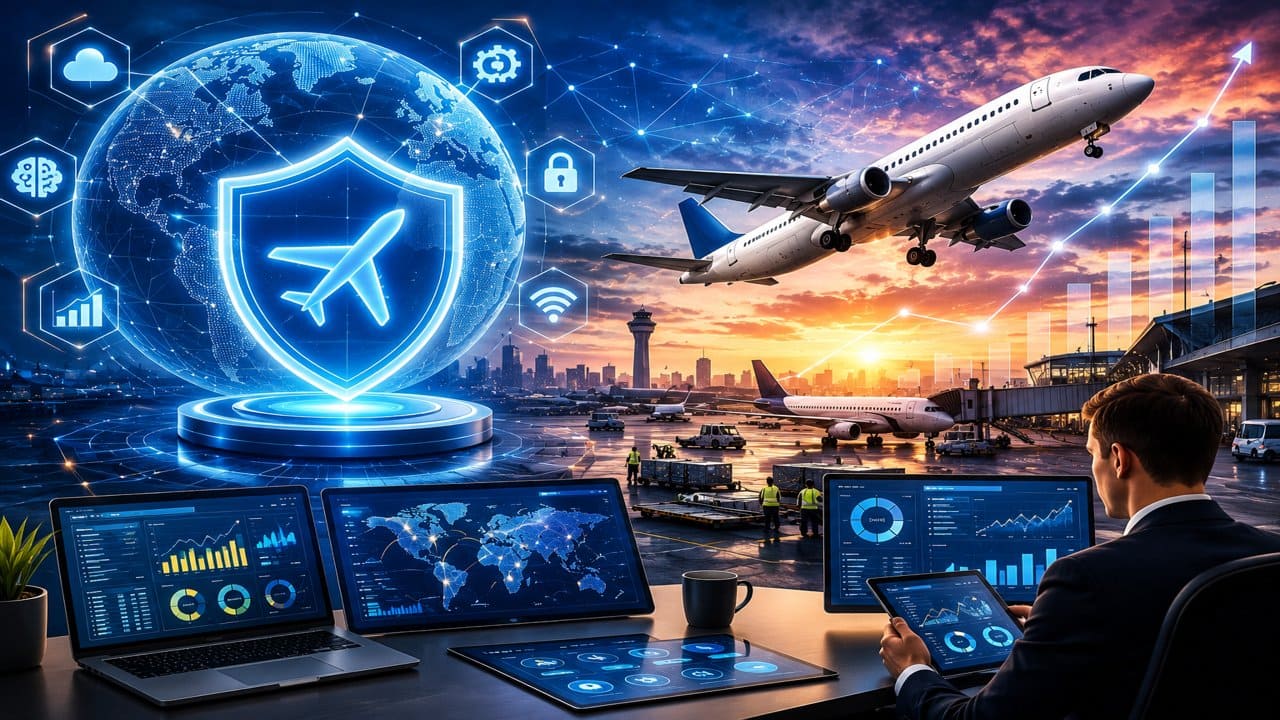
Technology: The Foundation for Preventing ULCC Bankruptcy in 2026
Technology alone cannot “save” an airline from insolvency – but it can significantly slow financial deterioration, restore operational reliability, unlock higher‑quality revenue, and rebuild investor confidence. For a carrier such as Spirit, technology is not an add‑on; it is a survival architecture that stabilizes cash flow, reduces avoidable losses, and creates new monetizable pathways.
1. Technology That Reduces Cash Burn (Immediate Impact)
Bankruptcy accelerates when aircraft sit idle, cancellations spike, and revenue evaporates. Technology that prevents these outcomes includes:
- Predictive maintenance platforms using AI/ML on vibration, oil debris, and temperature signatures
- Digital twins for A320neo fleet health
- Automated parts forecasting to prevent AOG events
- Drone and robotic inspections to reduce turnaround time
Impact:
- Fewer cancellations
- Higher aircraft utilization
- Lower compensation payouts
- More predictable revenue
Even a 1% utilization improvement represents tens of millions in annual value for Spirit.
2. Technology That Improves Revenue Quality
A. Dynamic Pricing & Offer Optimization
ULCCs have historically underpriced seats. Modern revenue systems correct this through:
- AI‑driven fare optimization
- Ancillary bundling engines (seat + bag + priority)
- Personalized offers based on traveler behavior
Impact: Higher yield per passenger, reduced fare‑war exposure, and more stable revenue during downturns.
B. Retailing Transformation (New Distribution Capability (NDC) and Direct Channels).
Shifting from “ticket seller” to “retailer”:
- NDC‑enabled upsells
- In‑app retail storefronts
- Subscription products (bags, seats, loyalty tiers)
Impact: Recurring revenue and improved margins.
3. Technology That Repairs the ULCC Cost Structure
The ULCC model fails when costs rise faster than ancillary fees. Technology restores balance through:
A. Ground & Gate Automation
- Automated bag drops
- Self‑service boarding
- AI‑assisted gate planning
Impact: Lower labor cost per passenger.
B. Crew Optimization Systems
- AI‑driven crew pairing
- Fatigue‑risk modeling
- Automated reserve management
Impact: Fewer delays, fewer cancellations, and reduced overtime.
C. Fuel Optimization Technology
- Real‑time flight path optimization
- Weight‑reduction analytics
- Taxi‑time minimization
Impact: With fuel representing 25-35% of ULCC cost, even a 1% reduction is material.
4. Technology That Restores Customer Trust
Bankruptcy risk spikes when customers stop booking. Trust‑restoring technologies include:
- Automated rebooking
- Proactive compensation
- Predictive delay alerts
- Passenger‑facing reliability dashboards (e.g., “on‑time confidence score,” fleet status transparency)
Impact: Higher repeat bookings and reduced brand damage.
5. Technology That Eliminates Strategic Blind Spots
A. Network Optimization AI
- Identifies unprofitable routes
- Recommends frequency adjustments
- Predicts demand shifts
Spirit needed this before losses escalated.
B. Scenario Simulation Engines
Models shocks such as:
- Fuel price volatility
- Engine groundings
- Weather disruptions
- Competitor fare wars
Impact: Leaders see the cliff before they drive off it.
6. Technology That Rebuilds Investor Confidence
Investors support airlines that demonstrate:
- Predictable operations
- Transparent financial forecasting
- Data‑driven decision‑making
Supporting technologies include:
- Real‑time financial modeling
- Cash‑flow forecasting engines
- Risk dashboards for lenders
Outcome: Reduced liquidity panic and improved access to capital.
Technology prevents bankruptcy by:
- Reducing operational losses (predictive maintenance, automation)
- Improving revenue quality (dynamic pricing, retailing)
- Fixing structural ULCC weaknesses (fuel, labor, reliability)
- Restoring customer trust (disruption management)
- Enabling smarter strategic decisions (network AI, scenario modeling)
- Reassuring investors (transparent forecasting)
In short: Technology buys time, restores reliability, and rebuilds revenue – the three pillars of bankruptcy avoidance.
Information on upcoming workshops
Visit: www.leaders-hive.com