



Aviation management operations
Aviation Management in Turbulent Times: Geopolitics and Supply Chain Disruptions are Reshaping Costs, Workforce Stability, and Customer Experience
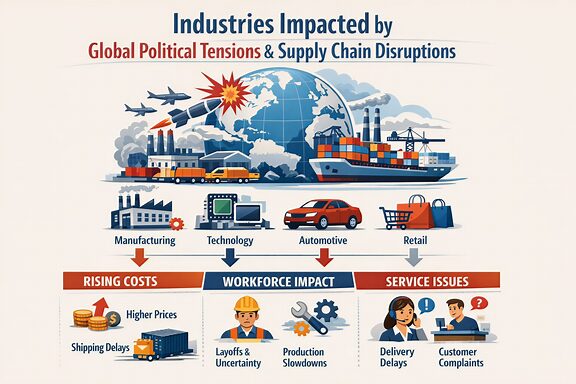
The aviation management operations industry is navigating one of the most volatile eras in its modern history. Global political tensions, raw‑material shortages, flight operations and supply chain disruptions are converging into a perfect storm-driving up operational costs, straining the workforce, and eroding the customer experience.
This isn’t a temporary headwind; it’s a structural shift reshaping how airlines plan, operate, and serve.
Geopolitical Tensions: The New Operational Headwind
Geopolitical instability is no longer a background variable-it’s a frontline operational disruptor. Tariffs, trade disputes, and cross‑border certification tensions are reshaping global aviation norms and supply flows. For example, U.S. import tariffs have already disrupted air‑freight patterns, contributing to declines in Asia-North America cargo volumes and forcing airlines to rethink routing and fleet utilization.
These tensions also affect raw materials. Titanium sourcing-historically reliant on Russia-now carries heightened geopolitical risk, slowing qualification of alternative suppliers and delaying aircraft production.
Supply Chain Disruptions: The Multi-Billion $$ Problem
The aviation supply chain is under unprecedented strain. Aircraft backlogs have surged to more than 17,000 units, far above pre‑pandemic norms, delaying fleet renewal and forcing airlines to keep older aircraft in service longer.
According to IATA, supply chain challenges are expected to cost airlines over $11 billion in 2025, driven by four major cost categories:
- Excess fuel costs (~$4.2B): Older aircraft burn more fuel due to delayed deliveries.
- Maintenance costs ($3.1B): Aging fleets require more frequent and expensive upkeep.
- Engine leasing costs ($2.6B): Engines spend longer in maintenance queues, forcing airlines to lease more spares.
- Inventory holding costs ($1.4B): Airlines stockpile parts to hedge against unpredictable supply disruptions.
These pressures are compounded by slow aircraft production rates linked to geopolitical instability, raw‑material shortages, and tight labor markets.
Rising Operational Costs: A Cascade Effect
The cost implications ripple across every operational domain:
- Fuel: Older aircraft increase fuel burn, undermining sustainability goals and squeezing margins.
- Maintenance: MRO (maintenance, repair, and overhaul) facilities face capacity shortages and extended turnaround times.
- Leasing: Aircraft and engine lease rates have risen 20-30% since 2019.
- Inventory: Airlines are forced into capital‑intensive stockpiling strategies.
These rising costs ultimately flow downstream-to ticket prices, service cuts, and reduced operational flexibility.
Workforce Impact: Tight Labor Markets and Operational Stress
Aviation labor markets remain tight across pilots, technicians, and supply‑chain specialists. The same geopolitical and supply chain pressures affecting aircraft production also strain workforce availability. Engine makers and OEMs are juggling competing demands for new aircraft assembly and maintenance of existing fleets, stretching labor capacity thin.
This creates:
- Longer maintenance cycles due to technician shortages.
- Higher labor costs as airlines compete for scarce talent.
- Increased burnout among frontline staff managing operational disruptions.
Customer Service Degradation: The Passenger Feels the Turbulence
When supply chain and geopolitical pressures collide, the customer experience inevitably suffers.
- Reduced capacity: Passenger demand rose 10.4% in 2024, but capacity only grew 8.7%, pushing load factors to a record 83.5%.
- More delays and cancellations: Older aircraft and longer maintenance cycles increase operational unpredictability.
- Aging cabins: Delayed interior modifications and parts shortages mean slower refresh cycles.
- Higher fares: Rising fuel, maintenance, and leasing costs are passed on to travelers.
The result is a widening gap between passenger expectations and operational realities.
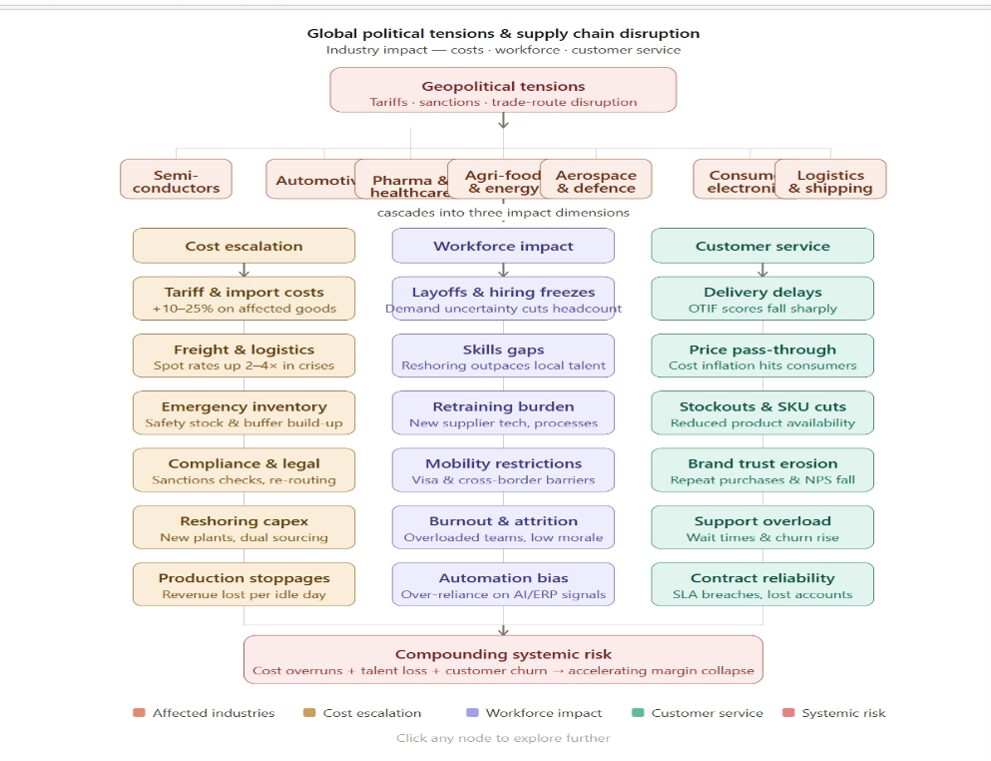
Building Industrial Resilience
Across commercial aircraft, engines, MRO, and even space launch sectors, one theme is clear: industrial resilience is now a strategic imperative.
Rising economic nationalism and supply chain strain are forcing OEMs, suppliers, and airlines to rethink global manufacturing strategies, diversify sourcing, and invest in more robust operational models.
Information on upcoming workshops
Visit: www.leaders-hive.com